
 A collection of hidden 3D art
Look a little deeper.
There's a world inside each pattern. Relax your eyes, let the dots become three, and give the depth a moment to arrive.
A small shift in perspective
Let the image come to you.
These images use parallel viewing. You're looking as though the hidden scene sits behind the screen.
Keep it comfortable. Blink normally, and take a break if your eyes feel tired or strained.
- 01
Find a comfortable view
Keep the screen level and the whole image visible. Try Focus view to give the pattern more space, and adjust View size until it feels easy to look at.
- 02
Look gently through it
Soften your gaze as though looking at something behind the screen. If you're using the guide dots, allow the two dots to become three.
- 03
Give the depth a moment
Let your attention settle on the middle dot and the pattern below. A form may begin to appear. If it doesn't, try a different size or choose Reveal.
The first collection · 01 — 12
Twelve worlds to find.
Look gently through the pattern. If you use the dots, let the pair become three.
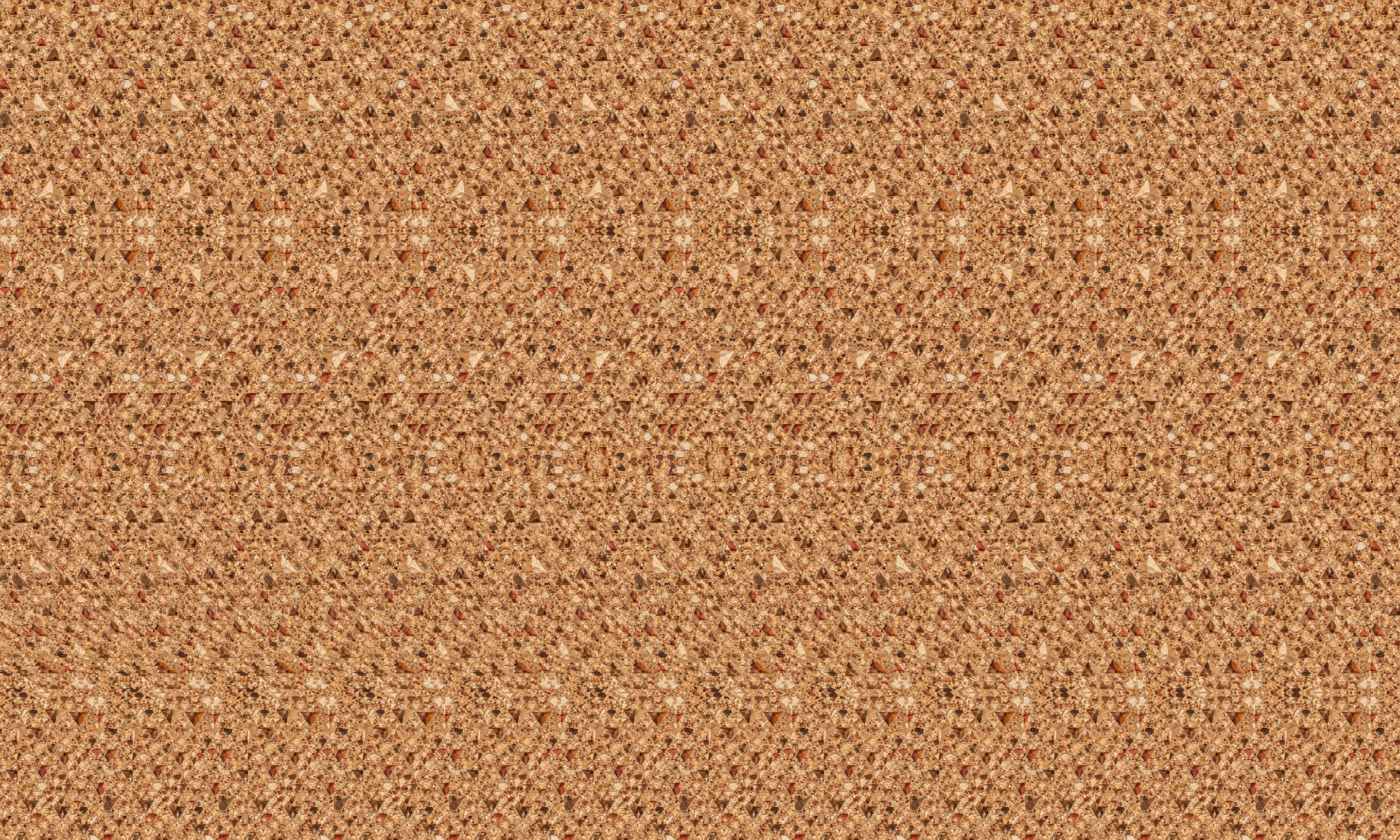
The image could not load. Try another study, or download the original PNG.
Choose any image to begin. When the form appears, press "I saw it" to keep count. The reveal is always there if you'd like another way to explore.
Inside the studio
A place for visual curiosity.
We're beginning with twelve original stereograms in four collections, from ancient Egypt to outer space. Each one holds a three-dimensional form inside a flat, repeating pattern.
Explore at your own pace. There's room here for a quick discovery or a longer look.
What is a stereogram?
A stereogram is an image that can create an impression of depth. Our collection uses single-image stereograms, also called autostereograms: small changes in a repeating pattern carry the hidden form.
Do I need special glasses?
No special glasses are needed for these images. Try the parallel-viewing steps above, and keep whatever glasses you normally use for comfortable screen viewing.
What if I can't see the depth?
The effect depends on how your eyes work together, and not everyone can see it. It can also take a little practice. There's no need to force it: every image has a reveal that shows its hidden form directly.
Why does the reveal look different?
The reveal shows the shape used to create the stereogram, with illustrative colour and lighting. In the stereogram, the repeating pattern supplies the colour while its spacing carries the depth.
What does "I saw it" do?
It keeps a small count of the forms you have found, so you can come back and finish the collection. The count is stored only in your browser. Nothing is sent anywhere, and there are no accounts or tracking.
Curious about the technique? Read about autostereograms.